Scott 3200A Tailwheel – Fully Rebuilt: Precision Steering for Taildragger Aircraft
Scott 3200A Tailwheel – Fully Rebuilt: Precision Steering for Taildragger Aircraft
Blog Article
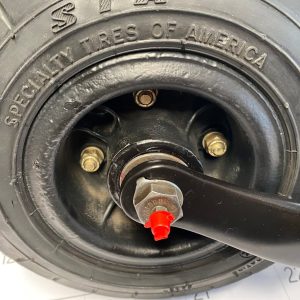
The Scott 3200A Tailwheel – Fully Rebuilt offers a dependable replacement option for suitable taildraggers requiring responsive steering, smooth swiveling, and reliable aircraft ground handling. A fully rebuilt description should identify which bearings, bushings, springs, steering components, seals, fasteners, wheel parts, and wear items were replaced or retained.
A correctly rebuilt Scott 3200A Tailwheel Assembly can support predictable steering when installed and adjusted properly on a compatible aircraft. A Scott Tailwheel Assembly can develop wear through repeated taxi cycles, landings, vibration, dirt exposure, moisture, poor lubrication, incorrect alignment, or unsuitable adjustment.
The Aircraft Tailwheel Assembly should remain properly aligned, lubricated, secured, adjusted, and compatible with the complete aircraft steering system. A General Aviation Tailwheel may be used on training aircraft, classic taildraggers, bush airplanes, utility platforms, experimental aircraft, and restored vintage designs.
Whether the requirement is an Aircraft Tailwheel, Taildragger Tailwheel, Aviation Tailwheel System, or Tailwheel Steering Assembly, exact compatibility should guide the purchase.
Understanding the Scott 3200A Tailwheel
The Scott 3200A is designed to provide tail support, wheel rotation, steering response, and controlled swiveling for compatible conventional-gear aircraft. Replacing the tailwheel alone may not correct a wider installation problem.
Choosing a Scott 3200A Tailwheel Assembly
Its mechanical configuration can support directional control during normal taxiing while allowing wider turning movement when required. A rebuilt unit may include inspected housings, renewed bearings, replacement bushings, serviced steering components, fresh lubrication, suitable hardware, and adjusted internal parts.
Scott Tailwheel Reliability and Condition
Final adjustment and functional testing should confirm that the Scott Tailwheel Assembly operates consistently. A written work summary helps explain how the seller defines the assembly’s condition.
Choosing an Aircraft Tailwheel Assembly
An Aircraft Tailwheel Assembly allows the rear of the airplane to roll and respond to steering input during ground movement. The tail spring and steering linkage strongly affect how the assembly responds to pilot input.
Choosing a General Aviation Tailwheel
A General Aviation Tailwheel may operate from paved airports, grass runways, gravel strips, private fields, dirt airstrips, and backcountry locations. Professional verification helps prevent unsuitable installation and unnecessary project expense.
Choosing an Aircraft Tailwheel
An Aircraft Tailwheel supports the rear fuselage and helps the airplane move during taxiing, parking, turning, takeoff, and landing. A serviceable tire-and-wheel arrangement supports the work completed within the steering mechanism.
Taildragger Tailwheel Performance
Taildragger pilots coordinate rudder, brakes, power, and tailwheel input to maintain ground stability. Responsible operation can extend Taildragger Tailwheel service life.
Understanding an Aviation Tailwheel System
An Aviation Tailwheel System includes the tailwheel assembly, tail spring, steering chains or links, steering springs, mounting hardware, surrounding structure, and its relationship with the rudder controls. Springs should remain free from distortion, corrosion, cracking, broken coils, or unsuitable substitution.
Maintaining a Tailwheel Steering Assembly
A professional rebuild should address the complete Tailwheel Steering Assembly rather than only visible exterior parts. Steering arms should be inspected for bending, cracking, corrosion, elongated holes, and wear at attachment points.
Benefits of an Aircraft Ground Handling Tailwheel
Poor steering response can increase tire wear, brake use, pilot workload, and difficulty in confined spaces. Towing should use appropriate equipment and procedures that avoid overloading steering arms, chains, springs, forks, or mounting structures.
Maintaining Scott 3200 Series Components
Historical popularity does not remove the need for exact aircraft compatibility and installation verification. Buyers should verify markings, mounting dimensions, steering-arm arrangement, wheel configuration, and included components.
Maintaining a Heavy-Duty Aircraft Tailwheel
A larger or heavier-looking assembly is not automatically appropriate for every aircraft. Preventive maintenance supports reliable Heavy-Duty Aircraft Tailwheel operation.
Choosing Tailwheel Aircraft Parts
Replacement components should be selected through accurate identification and suitable technical references. Small wear items can have a significant influence on steering performance and service life.
Choosing an Aircraft Steering Tailwheel
An Aircraft Steering Tailwheel helps direct the airplane during taxi by responding to the rudder-linked steering arrangement. Ground loops, abrupt turns, crosswind corrections, rough surfaces, and towing events can place side loads on the steering system.
Replacement Aircraft Tailwheel Guide
Aircraft records may reveal previous modifications or approved changes that influence replacement selection. Qualified personnel should verify condition, completeness, and installation suitability.
Maintaining General Aviation Gear Components
General Aviation Landing Gear Parts include tailwheels, nose gear components, main gear assemblies, wheels, tires, brakes, bearings, springs, steering parts, and mounting hardware. Sellers should avoid unsupported claims of universal compatibility, guaranteed serviceability, or immediate installation readiness.
Inspecting a Fully Rebuilt Scott 3200A
The buyer should request enough information for a qualified maintenance professional to review the assembly before purchase.
- Determine whether the sale includes the tire, wheel, axle, bearings, steering springs, chains, mounting bolts, fittings, and rebuild records.
- Inspect the assembly for cracks, corrosion, bending, damaged threads, enlarged holes, fork distortion, tire wear, rough rotation, and excessive looseness.
- Confirm the seller’s terms, written invoice, rebuild documents, payment protection, shipping insurance, packaging method, inspection period, and return conditions.
Scott Tailwheel Fitment and Adjustment
Every fastener and component should match the intended installation and remain properly secured. Swivel engagement, release, centering, and directional action should operate consistently.
A post-installation inspection can confirm hardware security and reveal early movement marks.
Long-Term Scott 3200A Care
Preventive maintenance can identify wear before it develops into shimmy, binding, looseness, poor steering, or component damage. Pilots should inspect the tailwheel before operation for tire damage, loose hardware, bent parts, steering-link condition, contamination, corrosion, and visible misalignment.
Suitable lubricant should be applied at the correct locations without attracting unnecessary contamination.
Buying a Fully Rebuilt Scott Tailwheel
The Scott 3200A Tailwheel – Fully Rebuilt offers meaningful commercial value when the work performed is transparent and the complete package is described accurately. Buyers should request detailed photographs, rebuild records, accurate condition disclosures, secure transaction terms, qualified review, and protective shipping.
Whether the requirement is a Scott 3200A Tailwheel Assembly, Scott Tailwheel Assembly, Aircraft Tailwheel Aircraft Ground Handling Tailwheel Assembly, or General Aviation Tailwheel, exact installation details should guide the purchase. With careful selection and attention to the complete tailwheel system, owners can reduce shimmy, binding, irregular steering, looseness, and premature wear.
Report this page